


Extra Large Interlocking Foam Play Mat – 60x60cm 4 Piece
Original price was: £33.99.£25.99Current price is: £25.99.
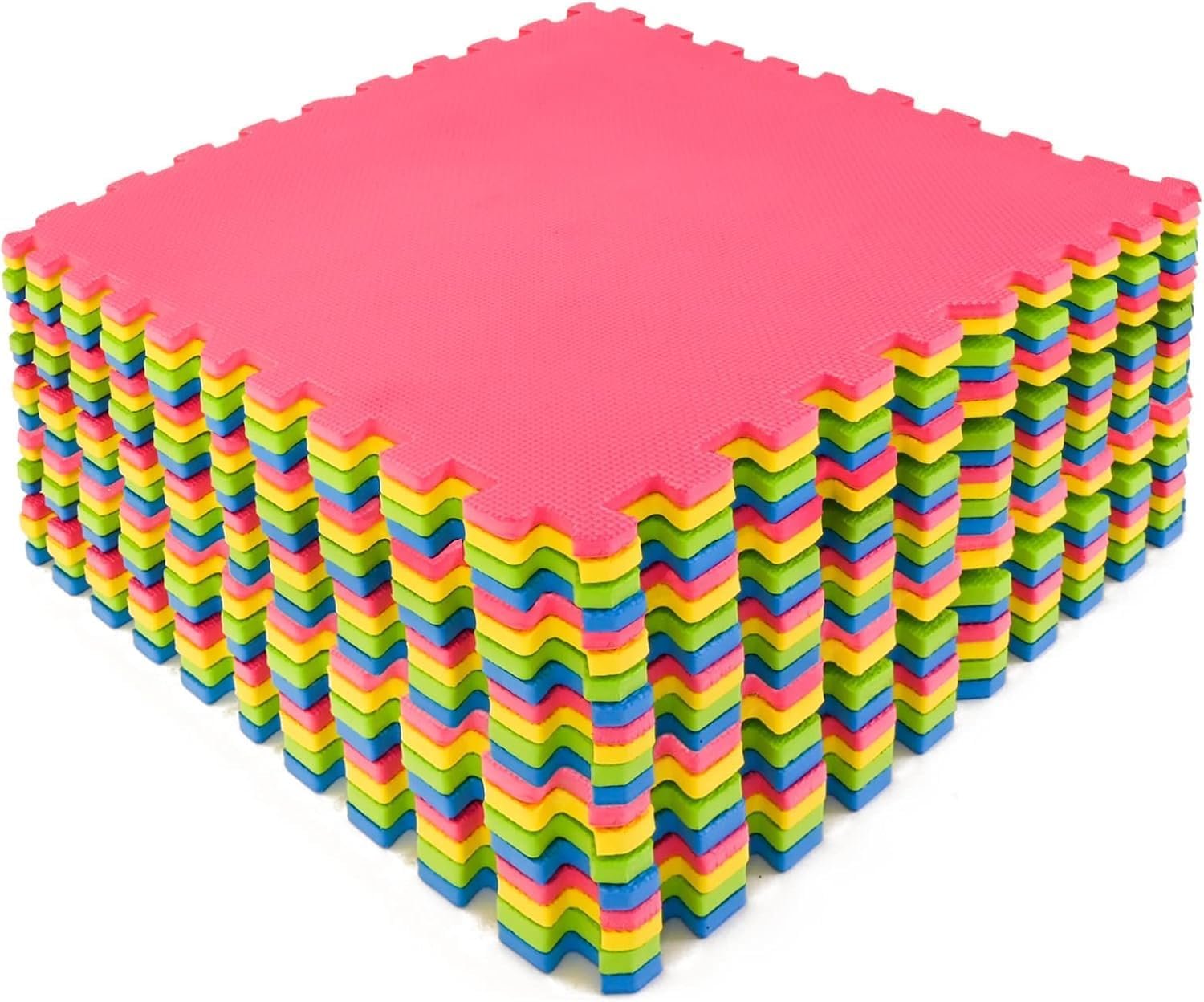
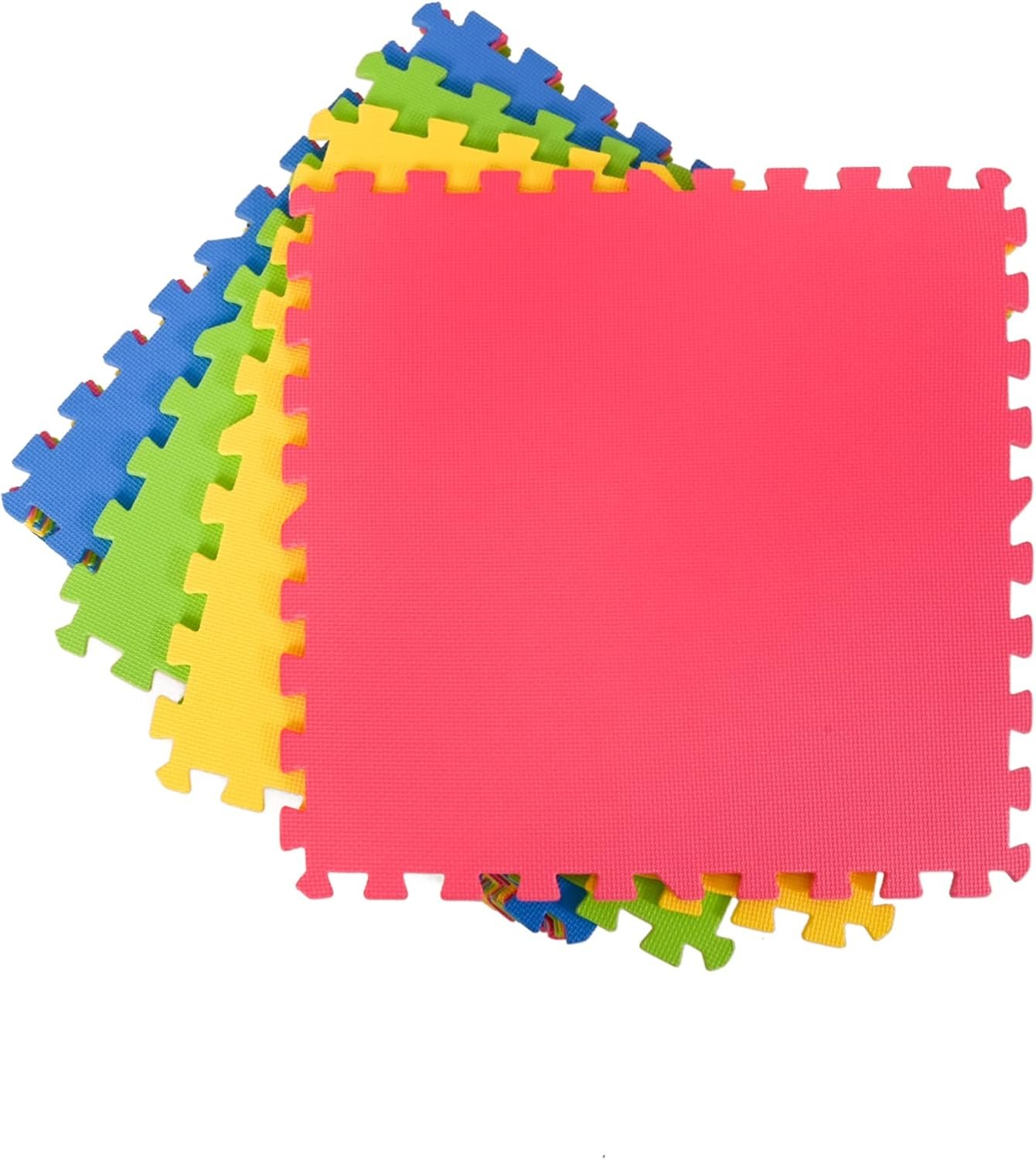
- 60x60cm Extra Large Foam Playmats – Large Interlocking Mats can be secured together to add a protective layer to flooring in playrooms, living rooms and even outdoors
- Soft & Safe – Keep young children safe from knocks and bangs whilst they play by providing a soft and padded surface.
- Made for Soft Play – The Foam EVA construction is a soft, non-toxic surface for kids to play on and wipe clean after any spills or accidents.
- Designed to fit your space – the Extra Large 60x60cm mats are 1cm deep and can be interconnected in several different ways to suit the room or space.
- Wide Coverage – 2 packs contain 4 Mats each (8 Total) and will cover an area of 2.88 Square Meters. Add more packs to cover more space or lay in a different formation
Description
Big Foam Mats: The Complete Guide to Choosing the Best Interlocking Foam Play Mat for Safety, Comfort, and Versatility
Creating a safe, comfortable, and flexible floor space has become a priority for modern homes, fitness enthusiasts, parents, and businesses alike. Whether you are designing a play area for children, a home workout zone, or a multi-purpose activity space, big foam mats provide a practical solution that combines cushioning, durability, and convenience. With advancements in materials and design, today’s foam mats deliver better performance than ever before, making them one of the most versatile flooring options available.
This comprehensive guide explores everything you need to know about big foam mats and Interlocking Foam Play Mat systems, including benefits, materials, installation, maintenance, real-world applications, safety considerations, and buying tips. This resource is created with real experience insights and professional expertise so readers can make confident purchasing decisions — especially when exploring solutions from trusted providers like CornerGarden.
What Are Big Foam Mats?
Big foam mats are large cushioned floor panels made from materials such as EVA foam, polyethylene foam, or rubberized foam. They are designed to provide impact absorption, comfort, and protection for both users and flooring surfaces.
Most modern mats use a Interlocking Foam Play Mat design that allows individual pieces to connect like puzzle tiles. This modular structure makes it easy to customize the layout for different room sizes and shapes without tools or adhesives.
Typical features include:
-
Shock-absorbing foam construction
-
Water-resistant surface
-
Anti-slip textures
-
Easy installation and removal
-
Expandable modular design
Because of their adaptability, big foam mats are used in homes, gyms, daycare centers, offices, studios, and commercial environments.
Why Big Foam Mats Are Increasing in Popularity
Over the past decade, foam flooring has become increasingly popular due to lifestyle changes and safety awareness.
1. Child Safety Awareness
Parents want soft surfaces that reduce injury risk from falls. Foam mats create a protective environment for crawling, learning to walk, and active play.
2. Home Fitness Growth
With more people exercising at home, the need for protective and comfortable flooring has increased significantly.
3. Multi-Purpose Living Spaces
Modern homes often require flexible spaces that can quickly adapt for workouts, playtime, or relaxation.
4. Affordable Flooring Alternative
Foam mats offer a cost-effective alternative to permanent flooring renovations.
Companies like CornerGarden focus on providing quality solutions that meet these modern lifestyle needs.
Types of Big Foam Mats Available
Understanding the different types helps you select the right option for your needs.
EVA Foam Mats
The most common type. Lightweight, flexible, and affordable. Ideal for homes and playrooms.
High-Density Foam Mats
Designed for durability and better support, often used in gyms and martial arts studios.
Rubber Foam Mats
Heavier and more durable. Suitable for heavy equipment and commercial spaces.
Interlocking Foam Play Mat Systems
Puzzle-style mats that connect together for customizable layouts.
Waterproof Foam Mats
Designed for easy cleaning and moisture resistance.
Key Benefits of Interlocking Foam Play Mat Systems
The modular design offers several advantages:
Easy Installation
No tools or professional installation required.
Customizable Layout
Add or remove pieces depending on space requirements.
Portability
Perfect for renters or temporary setups.
Shock Absorption
Reduces injury risk during falls or physical activities.
Noise Reduction
Minimizes impact noise and vibration.
Thermal Insulation
Keeps floors warmer during colder months.
Real-World Experience: Why People Choose Big Foam Mats
Based on practical usage scenarios, users consistently report improvements in comfort and safety when switching to foam flooring.
Parents often notice:
-
Children playing more freely
-
Reduced injury risk
-
Easier cleaning compared to carpets
Fitness users report:
-
Less joint pain
-
Better exercise comfort
-
Floor protection from equipment
These experiences demonstrate why brands like CornerGarden emphasize quality materials and thoughtful design.
Big Foam Mats for Kids and Playrooms
Children benefit significantly from foam flooring because it provides:
-
Soft landing surfaces
-
Comfortable crawling zones
-
Insulation from cold floors
-
Bright and engaging colors
The Interlocking Foam Play Mat format allows parents to expand or rearrange play areas as children grow.
Big Foam Mats for Home Gyms and Fitness
Home gym setups often require protective flooring to prevent damage and improve comfort.
Benefits include:
-
Cushioning during workouts
-
Protection for heavy equipment
-
Noise reduction
-
Improved grip
Foam mats are especially useful for yoga, strength training, stretching, and functional fitness.
Commercial Uses of Big Foam Mats
Businesses use foam mats in various environments:
-
Daycare centers
-
Fitness studios
-
Martial arts schools
-
Rehabilitation clinics
-
Event spaces
-
Offices
Commercial applications often require durable, high-density mats that can withstand frequent use.
How Big Foam Mats Improve Comfort and Safety
Impact Protection
Foam absorbs shock energy, reducing injury risk.
Joint Support
Helps reduce strain on knees, hips, and back during activity.
Slip Resistance
Textured surfaces improve traction.
Floor Protection
Prevents scratches and dents.
Choosing the Right Big Foam Mats
Several factors should guide your purchase decision.
Thickness
-
10mm: Light use
-
15–20mm: General home use
-
25mm+: Heavy activity or sports
Density
Higher density foam offers better durability and support.
Material Safety
Look for BPA-free, non-toxic materials.
Surface Texture
Non-slip surfaces improve safety.
Ease of Cleaning
Water-resistant coatings simplify maintenance.
Brands like CornerGarden often prioritize these quality indicators to ensure long-term value.
Installation Guide for Interlocking Foam Play Mat
Step 1: Prepare the Surface
Clean and dry the floor.
Step 2: Connect the Tiles
Align edges and press firmly.
Step 3: Trim if Needed
Use a sharp knife for custom fits.
Step 4: Secure Edges
Optional border pieces improve appearance.
Maintenance and Cleaning Tips
Proper care extends lifespan.
-
Sweep or vacuum regularly
-
Wipe with mild soap and water
-
Avoid harsh chemicals
-
Dry thoroughly after cleaning
Pros & Cons of Big Foam Mats
| Pros | Cons |
|---|---|
| Excellent cushioning and comfort | May compress under heavy weight |
| Easy installation with interlocking system | Lower quality mats may wear quickly |
| Affordable compared to permanent flooring | Can shift if not tightly installed |
| Safe for children and workouts | Some mats may have initial odor |
| Noise reduction and insulation | Not ideal for sharp objects |
| Portable and customizable | Requires occasional maintenance |
Big Foam Mats vs Other Flooring Options
Compared to Carpet
-
Easier cleaning
-
More hygienic
-
Better cushioning
Compared to Hardwood
-
Lower cost
-
Safer for falls
-
No permanent installation
Compared to Rubber Flooring
-
Lighter weight
-
Easier installation
-
More affordable
Common Mistakes to Avoid
-
Choosing mats too thin
-
Ignoring density ratings
-
Buying without measuring space
-
Selecting poor-quality materials
Avoiding these mistakes ensures better long-term performance.
Cost Range of Big Foam Mats
Pricing depends on:
-
Material quality
-
Thickness
-
Brand
-
Size coverage
Budget mats are affordable, while premium mats offer better durability and lifespan.
Environmental Considerations
Many modern foam mats are:
-
BPA-free
-
Lead-free
-
Non-toxic EVA materials
Choosing eco-friendly products supports safer indoor environments.
How Big Foam Mats Support Healthy Lifestyles
Foam mats encourage:
-
Physical activity
-
Safe play
-
Comfortable workouts
-
Family interaction
A comfortable environment promotes consistent activity and better well-being.
Frequently Asked Questions (FAQ)
1. What are big foam mats used for?
They are used for play areas, workouts, floor protection, and safety cushioning.
2. Are interlocking foam play mats safe for children?
Yes, high-quality non-toxic mats are safe for kids.
3. How thick should foam mats be for exercise?
At least 15–20mm for general workouts and thicker for heavy training.
4. Do foam mats damage floors?
No, they protect floors from scratches and impact.
5. Can big foam mats be used outdoors?
Some waterproof mats can be used outdoors temporarily.
6. How long do foam mats last?
High-quality mats can last several years with proper care.
7. Are foam mats waterproof?
Most EVA foam mats are water-resistant.
8. Do foam mats reduce noise?
Yes, they reduce vibration and impact sound significantly.
9. Can I cut foam mats to fit my space?
Yes, they can be trimmed easily.
10. Are interlocking foam play mats easy to install?
Yes, installation requires no tools and is very quick.
You must be logged in to post a review.
Related products
-
 Add to WishlistAdd to Wishlist
 -

Recently Viewed Products
-

NEW!
Add to WishlistAdd to Wishlist -

Reviews
There are no reviews yet.